
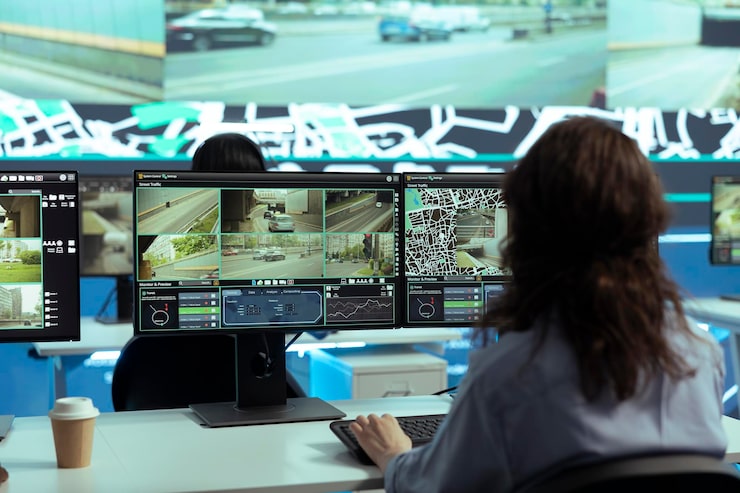



What You Should Know About Private Investigator Surveillance Before Hiring One
Surveillance is often the turning point in an investigation. Whether you’re dealing with suspected infidelity, insurance fraud, or employee misconduct, private investigator surveillance provides real, documented evidence—not assumptions.
But here’s the catch: not all surveillance is equal. The quality of results depends heavily on the investigator’s skill, patience, and strategy.
What Is Private Investigator Surveillance?
At its core, surveillance is the process of observing and documenting a subject’s activities without their knowledge. It sounds simple, but in practice, it requires a mix of technical expertise, situational awareness, and legal understanding.
Professional investigators use a combination of:
- Mobile and stationary surveillance
- High-resolution cameras and video equipment
- GPS tracking (where legally permitted)
- Public records and digital monitoring
The goal is to build a clear, factual timeline of behavior.
Common Situations Where Surveillance Is Used
Infidelity Investigations
One of the most common reasons people hire surveillance services. It helps confirm or dismiss suspicions with real proof.
Insurance Fraud Cases
Investigators document claimants’ activities to identify inconsistencies or fraudulent claims.
Child Custody Disputes
Courts often rely on documented behavior to determine what’s best for the child.
Employee Misconduct
Businesses use surveillance to investigate theft, policy violations, or unauthorized activities.
How Professional Surveillance Works
A well-executed surveillance operation isn’t random—it’s planned carefully.
Step 1: Case Assessment
The investigator gathers details about the subject, schedule, and objectives.
Step 2: Strategy Planning
This includes selecting locations, timing, and equipment.
Step 3: Field Surveillance
Investigators discreetly follow or observe the subject while documenting everything.
Step 4: Evidence Compilation
Photos, videos, and written reports are organized into a clear, usable format—often for legal use.
Legal Considerations You Can’t Ignore
Surveillance must stay within legal boundaries. A professional investigator understands:
- Where surveillance is permitted
- Privacy laws in specific states or regions
- What evidence is admissible in court
Illegal surveillance can ruin a case, so this is non-negotiable.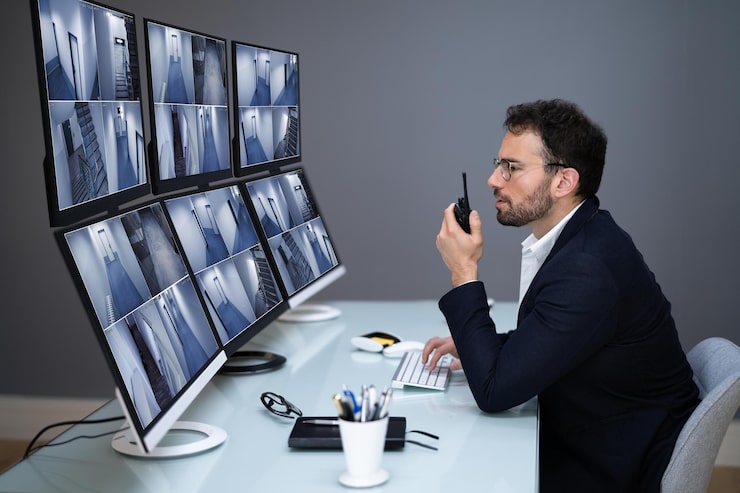
Signs of High-Quality Surveillance Services
When evaluating private investigator surveillance, look for:
- Detailed reporting with timestamps
- Clear photo and video evidence
- Consistent communication during the case
- Experience in similar investigations
Many people review trusted private investigator surveillance to understand how professional agencies structure and deliver results.
Challenges in Surveillance Work
Surveillance isn’t always straightforward. Investigators deal with:
- Subjects who change routines frequently
- High-risk environments where being detected is possible
- Long hours with minimal activity
- Legal limitations on tracking and monitoring
This is why experience matters more than equipment alone.
Tips Before You Hire
To get the most out of surveillance:
- Provide accurate and detailed information
- Be realistic about timelines and outcomes
- Avoid interfering once the investigation starts
- Choose experience over the cheapest option
Final Thoughts
Private investigator surveillance is one of the most effective ways to uncover the truth—but only when done professionally and legally.
The right investigator doesn’t just watch—they analyze, document, and deliver evidence that can stand up when it matters most.